Category: Games

Stuff about games.

  • Final Fantasy X & dramatic irony, name a better duo.

    Final Fantasy X & dramatic irony, name a better duo.

    A few years ago, I made a pact with myself: Play one Final Fantasy game every year. It started with Final Fantasy 7 Remake in 2023, 7 Rebirth in 2024, Final Fantasy IX in 2025 and this year, I’m replaying Final Fantasy X.

    Now me and Final Fantasy go way back. You know that one friend who doesn’t leave the house without a Murakami in their bag? That’s Final Fantasy for me. I know most of them inside out and while I have fallen off after XII, these games were absolutely formative for my creative development in the nineties and the aughts. I have replayed them countless times – with one exception: Final Fantasy X. The story about Tidus, an athlete living in a huge futuristic city, who gets swallowed by the huge monster Sin and transported into Spira, where he joins summoner Yuna and her crew of guardians to rid the world of the very monster that teleported him here. It’s a love story for the ages. And it has this banger of an intro:

    Final Fantasy X is a bit of an odd duck. When it launched on PS2, it was a technological marvel, complete with fully 3D environments and a fully voice acted cast. Something like that in that scope had just never been seen before and it fit perfectly into developer Square Enix’s vision of grandeur in that time. But as it often goes with first-timers, FFX’s technological side has aged quite poorly. The dialogue reads are all over the place. The faces switch between high-poly and low-poly depending on the shot and move like slow-motion muppets. And every movement feels stiff and unnatural. It’s a hard game to get into, because you have to suspension-of-disbelief yourself into thinking all of the above doesn’t matter. You certainly can’t play a recent game on the side.

    This is what it looks like:

    But this year, I vowed to do it. My third playthrough (2002 and 2016 if you care about numbers)! And boy, once you get into this game, it just hits you with a sledgehammer. As a star-crossed lovers’ story, it’s just so well-constructed. Tidus joins the priestlike summoner Yuna on her pilgrimage to kill Sin, portrayed as a huge fishlike monster who not only personifies its very name in a game full of religious undertones but is also kind of sort of Tidus’ estranged father. Slowly, the two teenagers fall in love. But there’s a lot of things no one’s telling. For instance, none of Tidus’ crew knows Sin’ is actually Tidus’ father reincarnated’s actual identity, and the fact they’re actually setting out to kill the main character’s dad. But it gets worse (and this is where it gets a bit spoilery so if you’re actually going to play this 20 year old video game and haven’t already, stop reading): Tidus doesn’t realize Yuna’s mission is a sacrificial one. Killing Sin will also kill her. It’s a true rug pull for the ages, as up to that point, Tidus has been firmly established as the happy-go-lucky class clown of the brooding bunch of guardians. He’s been egging her on – and sending her into her death.

    So he does what every lover in a fantasy story does: He tries to change the prophecy, and fate itself. And wouldn’t you have it, the guardians actually pull it off. Yuna can yet live. Only that’s when the second rug pull happens…

    Final Fantasy VI is a rock opera in disguise. VII is Memento in video game form. VIII is puppy love. And IX is a fairy tale. But Final Fantasy X? It is an absolute tear-jerker. What a gut punch of a game. And I hope they remake this one at a certain point in time, so everyone can finally enjoy this story without concessions.
  • Lorelei and the Laser Eyes

    Lorelei and the Laser Eyes

    Do you like puzzle games? Do you enjoy the thrill of figuring out solutions to night-impossible riddles? Are you also impatient? And maybe kind of stupid? Then do what I did and please play Lorelei and the Laser Eyes with your spouse.

    Lorelei and the Laser Eyes is an escape room styled puzzle game. It drops the titular character, whose name I still haven’t figured out even though I finished the damn thing, in an old abandoned hotel riddled with puzzles. Finish the puzzles and you can escape the mansion. And maybe along the way figure out what the eff is going on.

    Lorelei is a very cryptic game. It just drops you in it with very little explanation. Sure, the first puzzles may be basic math problems, but quickly you’ll be littered with puzzles that all seem interconnected: The solution to one may be part of the solution of another – and vice versa. Many hours will just be spent walking around the massive maze of a hotel (mazes being, as the trailer already suggests, a recurring theme) cursing at the random cryptic bull this game throws at you. Horse heads! Coffee machines! Video game consoles! They’re all there.

    I’m gonna be frank: I want to like puzzle games. But I never have the patience to play them by myself. I want things to move forward. I don’t want to spend time jotting down notes and thinking. I wanna press buttons, damnit! Thankfully, my partner loves thinking and hates pressing buttons, so over the course of two weeks, we let this puppy consume us. We filled over twenty pages with notes comparing symbols, juggling numbers (mainly 1847, 1963 and 2014), figuring out two versions of the same maze – and we had a blast doing so. The reason is simple: Lorelei is a masterpiece. The graphic design is a master class, the hotel looks amazing, and there’s some beautiful graphical twists going on, too. Its puzzles are well-built and the structure very thoroughly considered. Sure, you can wander aimlessly around the house, pondering 20 puzzles at the same time, but that also means you can never truly get stuck. In a way, this game reminded us of the most excellent Return of the Obra Din. And like Obra Din, this game has an intriguing narrative that keeps you guessing until the very end.

    So yeah, play Lorelei. Unless you’re single. In that case, you’ve got other problems, son.

  • Prey – a postmortem

    Prey – a postmortem

    If you’re following games media even the tiniest bit, you will undoubtedly be aware of the insane amount of lay-offs that have been happening. After what seems like the most lucractive year in terms of releases, studios that have been acquired by giants like the embracer group or Microsoft have been dropping left and right. It shows how horrible the video game industry is to work in – no one, no matter how succesful you are, is safe. Case in point: Arkane Austin. Aside from an unfortunate dud last year, they’re one of my favourite studios and they created one of my favourite games: Prey.

    (If you’re now googling Prey, please add 2017 to your search, as there is another Prey from 2006 which has nothing to do with this one. The atrocious name for this game is a wholly different and incredibly stupid story which, in my opinion, probably tanked game sales when the game launched.)

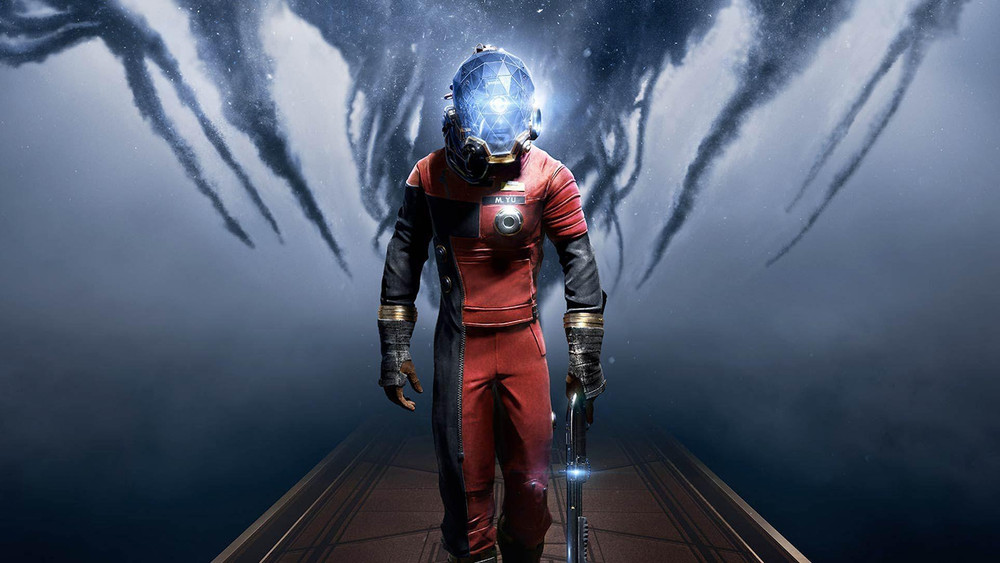
    On the outside and on screenshots, Prey is a shooter set aboard a space ship. On the inside, however, Prey is an immersive sim. Yes, you shoot enemies, but this game is not really a shooter, but a role playing game. You are Morgan Yu, a crewmember of the Thalos 1, which has been overrun by aliens called Typhon. These aliens can turn into any object they see – so any harmless coffee mug can be a deadly creature. This already makes every second of the game tense, but it’s not why this game became my favourite of all time. The reason for that is the Thalos 1.

    I’m not a huge fan of space ships or science-fiction, to be quite honest, but this game could be set in an english forest in the 1500s and I’d still be hooked. The reason for that is that Thalos 1 is a living, breathing, immersive world. There were 286 crew members aboard the space ship when the aliens took over, and each of these crew members have a name, a job description and a story to tell through various e-mails and voice messages. You can find all members in and around the gargantuan space station, most of them strewn across the hallways, half eaten, but some of them are quite cleverly hidden. Like actual people, the crew members of the Thalos 1 tried their very best to hide to survive.

    And the realism doesn’t stop there. Every fridge, every cupboard, every nook and cranny is stuffed with items that actually belong there. Kitchens feel like kitchens, lounges like lounges and creepy labs… well, you get the gist. Moreover, the Thalos 1 has a logical lay-out, with the engines down at the bottom and the living spaces up top. At first, the game leads you by the hand from one level to the next, but it doesn’t take long until you actually run around the space ship like it was an actual place. There’s two kind of games: Games in which lobbies have toilets, and games in which they don’t. Prey has toilets. And you can fucking flush’em.

    So it’s such a shame that Arkane Austin got the short end of the Microsoft stick. There were some incredibly talented people there, people who also have a firm hand on the wonderful Dishonoured and Deadloop franchises. I hope this is not a loss, and these people know what great things they can accomplish and find a way to create another game like this. Because I’ve yet to find one.

  • Ten years of Transistor

    Ten years of Transistor

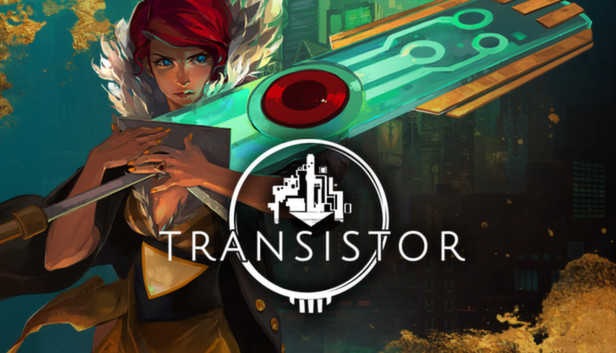
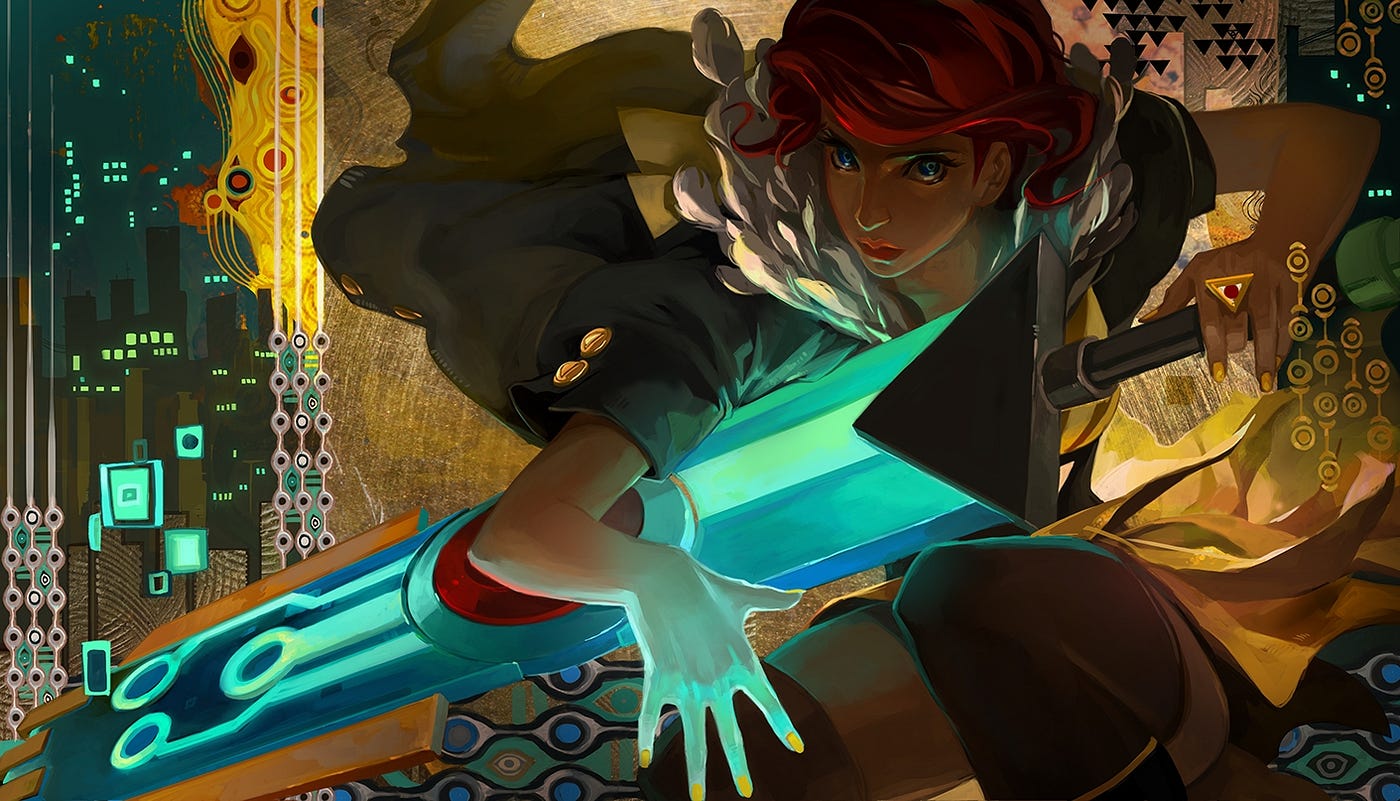
    Just a public service reminder: It’s been ten years since Transistor came out. I remember being so impressed by Supergiant Games’ debut title, Bastion, that I franctically googled everything I could about Transistor. Hell, I even wrote a blog post about it. In the end, I remember being very whelmed, not because the game about a singer battling an enemy known as the Process, fell short of my expectations – I mean it did, but that’s not the game’s fault. My expectations were just insane.

    Because, after all, this game was going to be, as the Germans call it, the egg-laying wool milk sow, i.e. the perfect game that could do anything. In the end, it was just a game. A very good, well-written, expertly designed both graphically and gameplay-wise, game – but still a game nonetheless. My imagination was just bigger, I guess.

    Which is why it kind of makes me sad that in 2024, Supergiant Games is deciding to revisit another one of their amazing game worlds by making a sequel to the critically acclaimed roguelike Hades. Hades – a game that takes place in the Greek underworld and features gods, demigods and everything in between – was by all means an incredible game, one I put way more hours into than I put into Transistor, but the characters and the world never spoke to me the way Transistor did. Transistor was its own setting: A art deco cyberpunky world on the brink of destruction – Hades puts an interesting twist on Greek mythology, but as soon as I shut the game down, the world ceases to exist for me. Transistor is transcendal.

    Anyway, why am I rambling? Because you should play Transistor. You can get it on PC. You can get it on your tablet. You can get it on your console. You can get it on your mac. You can get it on your phone. Any maybe there’s an art-deco smart fridge out there that runs this thing. It’s a short but sweet experience, about ten hours or so – and it’s a touching little experience. I just wish 2014 me realized that.

  • Alone in the Dark – a retrospective, pt2

    Alone in the Dark – a retrospective, pt2

    Alone in the Dark is one of the most influential video game series of my childhood. And thank God the new game isn’t releasing in October after all, because I totally forgot about my retrospective. Here’s part two!

    Alone in the Dark 2 and 3 – late to the party

    The year was 1998. I was 13 years old, and this was a different world than the one in which I had been so scared of that damn library in the first game. This was the era of the Nintendo 64, I had played Super Mario 64 and had tried Ocarina of Time an hour in a brick and mortar game store. It cost 50 francs and it was well worth it. Games like Alone in the Dark – where the backgrounds were not full 3D but pre-rendered (i.e. “drawn”) – were super old to me, and I hadn’t heard of Final Fantasy VII to prove me wrong yet.

    But there I was, on a Sunday morning, with my dad, in another relic of the past: A hardware store that happened to also sell video games. While my dad was shopping for tools, I used to gawk at the rows and rows of games. And then I would springt across the aisles, find my dad in the screws section, and he would know he didn’t need screws but was screwed, because I would start nagging incessantly for some game.

    It didn’t always work, and only now as a parent myself I understand the delicate intricacies of “I haven’t had my coffee yet” or “God damn I just can’t be bothered today”. So when I saw Alone in the Dark 2, on CD-ROM, sitting on that shelf, my jaw dropped. There was a sequel?! I yanked the blue jewel case out of the shelf and read the back. Pirates! Mob bosses! This sounded awesome. I was just about to run to my dad when my pre-hormonal teenage mind was shook again. Because what I hadn’t noticed: behind the blue jewel case was a red one. Alone in the Dark motherfucking 3.

    I didn’t even so much as look at that jewel case. I just snatched it and ran to my dad, thinking how I would convince him to buy me not one, but two games. I don’t remember how I did it. I don’t think I did – I think it was the aforementioned coffee or the god damn. Who knows – but I got those games. They’re both pretty mediocre.

    And I played the shit out of them.

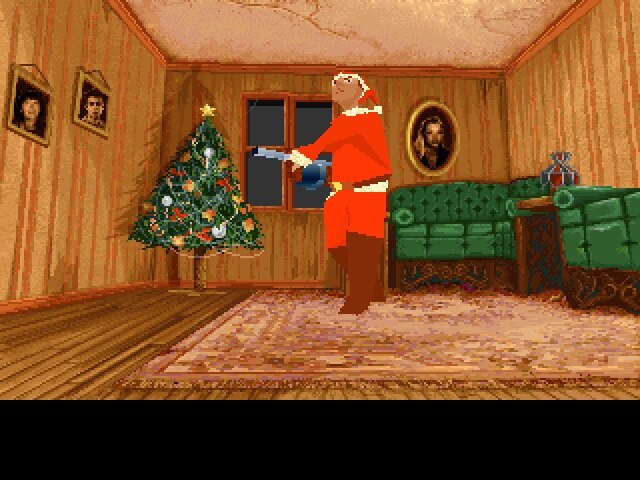
    Alone in the Dark 2 is a game in which you, guns blazing, have to rescue a kid from mobsters and pirates on Christmas day. It is the Die Hard of the series. The horror elements? Gone – rightfully, I think, because even two years after the release of the first game, it didn’t look scary at all anymore. The only problem is: Crazy pre-rendered backgrounds and weird perspectives are not really that great for aiming. It’s a frustrating affair.

    Alone in the Dark 3 is a western featuring zombies and even a cyborg. I sometimes like to pretend they based Wild Wild West with Will Smith on this thing. It is, in my opinion, the better game of the two, because it ditches most of the action and puts more emphasis on the puzzles. Only problem: Most of the puzzles stink. They’re super obtuse, especially when you’re thirteen and without internet.

    Still, these games hold a special place in my heart and I played them religiously. They’re the first games that made me look at walkthroughs on the internet. I still have the CD-ROMs, I bought the games on GOG and on Steam – and I even ordered a rare floppy version of the second game with a 1993 strategy guide that details how Infogrames’ “cinematic technology” is the way all games are going to be in the future. The floppy version is horrible, with poorly sampled MIDI music and parts of the game missing, I payed quite a bit of money for it, but I regret nothing.

    That’s nostalgia for ya.

  • Alone in the Dark – a retrospective, pt1

    Alone in the Dark – a retrospective, pt1

    Alone in the Dark might be one of the most influential video game series of my life – and is definitely the most important series of my childhood. To celebrate the undoubtedly terrible reboot launching in October, I’ll use the following months to rehash why this weird line of games is so important to me.

    Alone in the Dark – little me, in library, pipi in my pants

    Belgium, the nineties. I was eleven and got my first PC. It was my treasure, had Windows 95, a diskette and a CD-rom drive and – my god! – even a sound card. The days of listening to my mom’s crappy pc speaker like a pleb were in the past! To top it all off, I had a friend who had games. Tons of games. Most of these were copies which, we both knew, were incredibly illegal. We could go to jail. The crime? The coolest of all: Gaming.

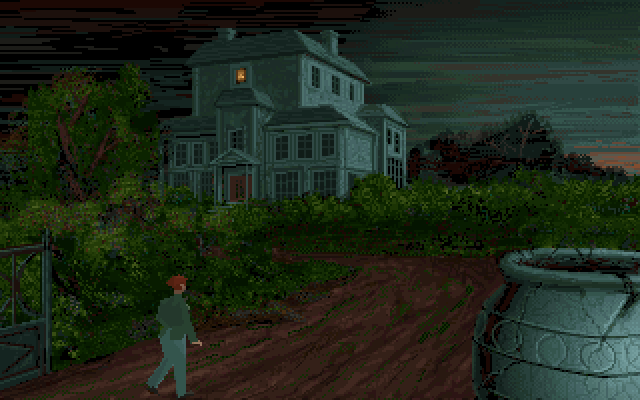
    And that’s how I got into Alone in the Dark: On four 3,5″ diskettes. Installing it took a while, and the installer crashed on the final disk, but when we typed aitd.exe on the dos prompt (this game would not run under Windows), the game miraculously booted. It looked like this:

    Now, to today’s trained eye, this game in which you traverse a game from the attic all the way to the exit while encountering scary monsters might not exactly be scary. But man, in 1996, this was the worst thing I had ever seen. And I had watched Terminator 2: Judgment Day. This game was 3D, it had actual polygons, and it played like an interactive movie. Over the course of the next weeks, I would play for ten minutes, then put it down, partially because it was too scary, but honestly because it was too hard.

    This game had puzzles, man. One of the first items you found was a rug. This item would be used to cover up an axe-throwing painting hours of playtime later. Hints would be scattered in books, but I wanted to play games, not read, man! I couldn’t make any progress in this game – and then my friend gifted me a printed walkthrough. This thing was my bible and without it, I would still be trying to figure out where that damn rug goes.

    So now I could finally progress, and I discovered something else about myself: I’m a fucking scaredy-cat. I shat bricks playing this game. Derceto, the game’s mansion, had a library, as all mansions do. Only this one was dark, and you first had to fill your lamp with oil, then light it and finally pull it out to see something in there. And when you did, a purple blob monster immediately came towards you. So you did the most logical thing you could: hide behind a bookcase. Only to discover it could go through it.

    But in the end, I got through the library. Probably with my buddy next to me screaming at the top of my lungs. The treck through the mansion continued and led me to the catacombs underneath. I escaped a giant worm, ran through a maze, jumped around a corner (because yeah you could effing jump in this caves, this game was from the future man!), ran down another corridor and then the game crashed.

    Remember what I said about the installer? Turns out, a file on the fourth diskette was corrupted. CAMERA05.PAK. I remember the name to this day. Because the truth was simple as day:

    There was no way for me to finish this game. Every time I ran down that corridor, the game just froze. I must’ve tried a thousand times, thinking this time would be the one, but unfortunately: no dice. It took years until the internet would develop so far that save games were available and I was finally able to finish the game. It had a demonic tree. And a skeleton for a taxi driver. It was rad, but by the year 1999, I had played Ocarina of Time, man. We had the Sega Dreamcast.

    But to this day, Alone in the Dark is special to me. It was quite the mindfuck finding out the brain behind this, Frédéric Raynal, is also responsible for the other series of my childhood, Little Big Adventure. And I’ve played every Alone in the Dark game since. There’s five in total, and boy, are they a mixed bag.

    Case in point: Alone in the Dark 2, aka the one that tries to be Die Hard. See you next time!

  • Resident Evil

    Resident Evil

    When I was eleven years old, I was obsessed with Alone in the Dark. It came on five 1,5 megabyte diskettes and featured a 1920s protagonist trying to escape a haunted mansion. The game scared the living bejeezus out of me, and disk five was broken, so in the tunnels beneath the mansion, it would freeze and lock up my mother’s pc, which honestly was the true scary part of the whole ordeal because man, she had accounting software on there.

    This game was pretty much the last time I actively enjoyed playing a horror game – I steered clear of the genre because I’m a scared little boy. That is, until the Resident Evil 2 remake came out. This game – a, you guessed it, remake of a playstation era survival horror game – drops you inside a police station with limited ammo and less limited zombies swarming around you. It is creepy, atmospheric and one little change they did in the remake (having a giant unkillable creep in a trenchcoat patrol the narrow hallways) scared me shitless.

    It was then I noticed something: Yes I am a scared little boy. But shitting bricks is kind of fun.

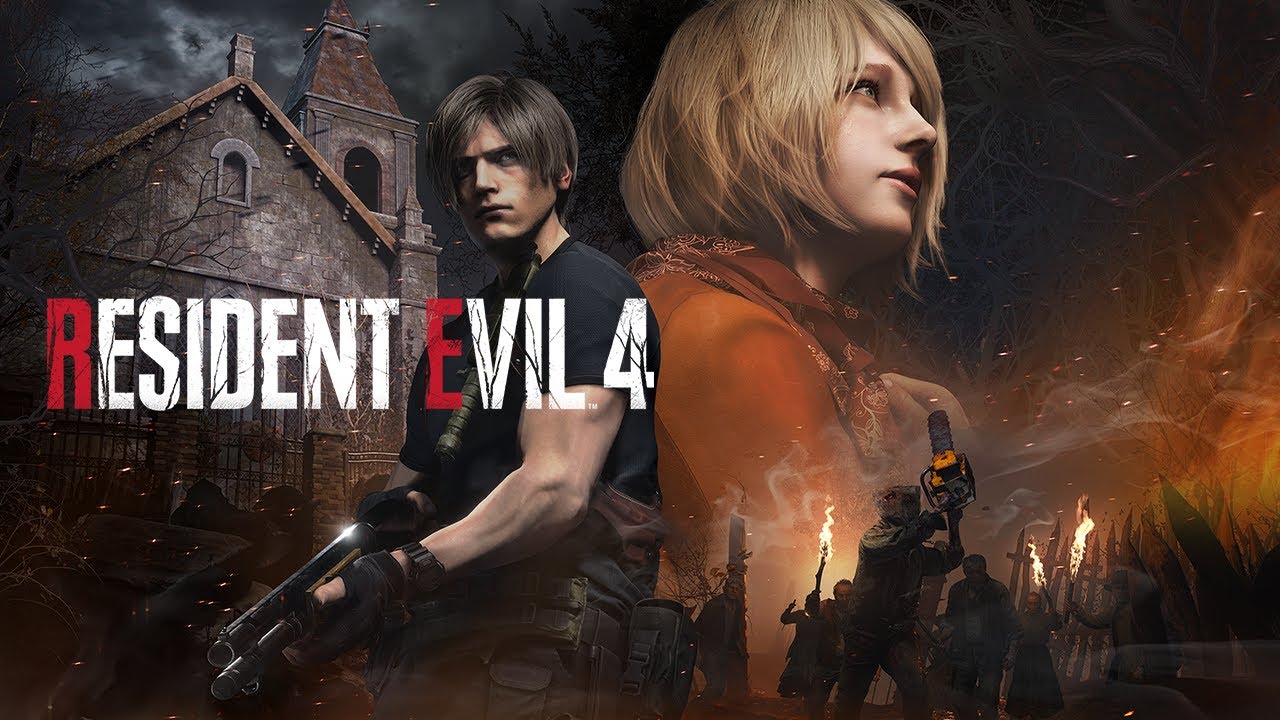
    So this year, I’ve been catching up on the Resident Evil series, a gaming mainstay that’s been off my radar since it came out. It’s such a nice feeling discovering a slice of gaming that’s been around forever, and being wrong about it not being for me. I’ve finished a second playthrough of the Remake, moved on to three and four (which are also expertly remade, especially the fourth entry, an over the top campy action flick which goes all-in on the survival aspect of the genre), and then tackled the eight entry, Village, which is best described as “a potpourri of dumb Eastern Europe cliches but the vampire is a sexy giantess instead of Count Dracula”. It’s not really scary – except for the part where the protagonist looking for hissing missing wife and newborn stumbles into a house and this thing happens:

    What the fuck is that? Who the fuck came up with this? Thanks for the nightmares, sicko. (Also please make another game right now)

  • Psychodyssey

    Psychodyssey

    When Psychonauts 2 released in the Summer of 2021, it completely blew me away. A cartoony game about a kid-slash-psychic-agent going into people’s minds to sort out their bagge was every bit as good as its predecessor which came out 15 years prior. In fact, narratively speaking, it was better: underneath its wacky surface hid a very adult, nuanced story about how everyone has the potential to be a hero and a villain and the same time, depending on who is telling the story.

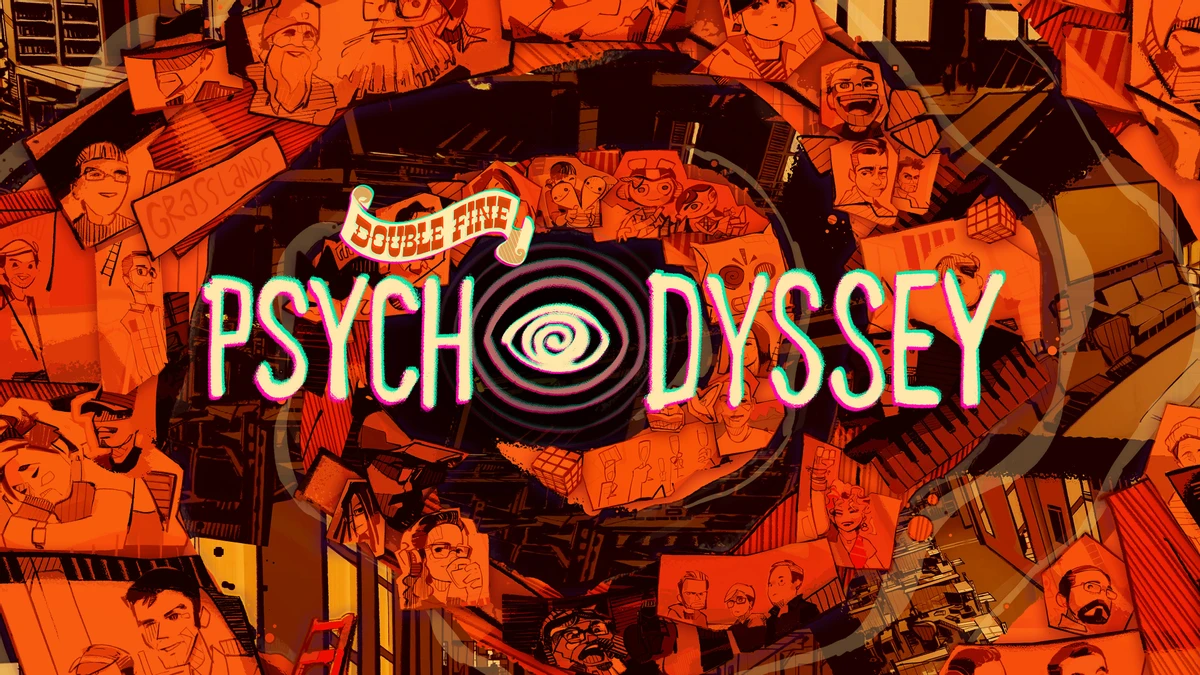
    I think I played the game to completion three times since that Summer, and I’m looking forward to starting my fourth playthrough sometime this year. So color me surprised when – out of nowhere! – Psychonauts developer Double Fine released a TWENTY-TWO HOUR documentary detailing the six years of development this gem has gone through. Yes, you read that right, it’s twenty two hours long. And I watched it all.

    I’m going to be completely honest: This is riveting TV. Double Fine, if you are unaware, is the studio lead by Tim Schaefer, one of gaming’s rockstars. The studio is independent and quirky, and the thing they are trying to create is so ambitious it almost tears them apart. In fact, if not for some crazy bad luck turning into lucky breaks, neither Psychonauts 2 nor Double Fine would exist this very day. The interviews are open and honest – finally, a documentary shows artists at work instead of suggesting everyone working in a creative profession is just loafing around.

    Psychodyssey ist not just an amazing look behind the scenes of a triple-A video game, it’s also a deep dive into creative processes involved into making any piece of media. As someone who co-lead a team of writers, I have often said the things these leads say. People working on this game break the way I’ve seen writers break. But they also have the feeling they’re building something truly incredible the way we do.

    Over the course of these 22 hours I watched way too fast, I wrote down a lot of quotes by Tim Schaefer, because I truly admire the way he leads his team and I wished I were one tenth the leader he is. But even with Tim, you notice he’s fighting a losing battle. Even he can’t keep everyone happy and get great output at the same time. The discussion on crunch culture (i.e. mandatory night shits to get the damn game out the door) in the final third of the documentary is vicious, but in the end, it is completely true: There is no way to completely protect people from theirselves.

    Anyway, check it out. And check out Psychonauts 2. It’s an amazing game made by amazing people.

  • Hogwarts Legacy: It’s complicated

    Hogwarts Legacy: It’s complicated

    So let’s get this out of the way: JK Rowling is a complicated person, whose genuinely good deeds are vastly overshadowed by the TERF hill she is dying on. It’s an immensely disappointing matter because Harry Potter is a big part of my life and it ruined any future rereads. But fortunately, Rowling did not need bigotry to run her own wizarding world into the ground – the absolutely abysmal second and third part of her “fantastic beasts” movies managed this on their own. So yay, I guess, for her making it easier for me?

    Then came Hogwarts Legacy.

    For those not terminally online, here’s a short recap: The internet hates notorious TERF yet somehow simultaneously a philanthropist writer JK Rowling and thus hates everything related to Harry Potter. This leads to a boycot, because “you vote with your wallet” and it’s morally wrong to financially support vile people. Then, suddenly, gaming company Avalanche acquires the rights to a wizarding world game. The internet explodes: Should the world collectively boycot this game because it sprung from a morally problematic mind?

    Now as someone who makes TV for a living, I always found this last sentence a bit hard to swallow – unlike the Harry Potter books, a game like Hogwards Legacy employed hundreds of people for multiple years. These people poured their hearts and souls into something and honestly, they cannot help it if the discourse around Rowling massively changed throughout development. They do a good job, because they love doing what they do: Create things. So I understand shunning Rowling and her work (I quit reading her books), but if I were an Avalanche employee, this discourse would emotionally destroy me.

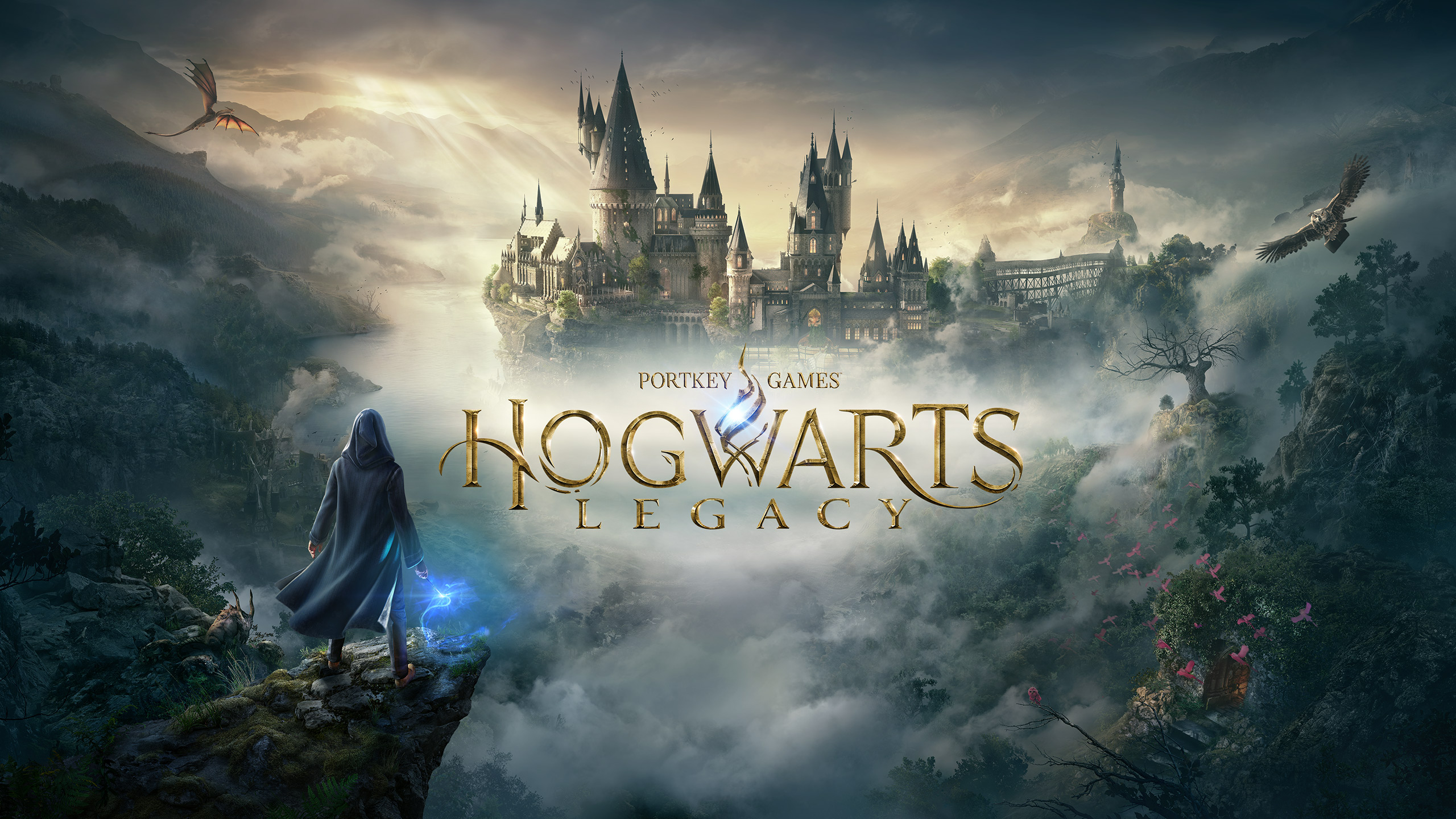
    Now all this bullshit aside, this discussion would be super easy if Hogwarts Legacy were, like anything Rowling has created the last ten years, shit. Unfortunately, Hogwarts Legacy is good. It’s really, really good. It’s a labour of love featuring a whimsical, fun wizarding world, a castle brimming with creativity, side quests that are surprising, characters that are engaging… It might be the best open world game I’ve played since Breath of the Wild. And – sidenote! – it is hella inclusive. It does curly hairstyles like no other game (ask any person of colour about creating matching avatars in video games!). Unlike Harry Potter, it features a diverse cast, makes goblins relatable, and makes Slytherin into something other than wizard nazis. And finally, it asks two questions: “what is your body type” and “are you a witch or a wizard” – which is basically a way of showing Rowling and her TERF beliefs the middle finger.

    So I’m actually kind of sad “the internet” is ignoring this game. I get the impression that Rowlings behaviour caused Avalanche to, as a studio, sit down and talk about what Harry Potter meant to them growing up. That it felt like an inclusive world, in which different people were accepted the way they were. A feeling soured by Rowling – and the reason the internet is so black-and-white about this topic. Readers who felt different found consolation in Harry Potter – and Rowling destroyed that twofold: not just as a person, but as a writer of terrible fiction, as well.

    Avalanche still knows what makes the wizarding world great, though, even if Rowling has forgotten. And thanks to Rowling’s terrible opinions, they elevated the universe into what everyone thought it was (inclusive), but it actually wasn’t.

    I know it’s morally wrong to support a terrible person. But I also know hundreds of motivated artists poured their hearts and souls into this game and the “vote with your wallet” argument goes for them too: They will lose bonuses, future projects and – if I may be overdramatic – in some cases, their jobs.

    And I also know you’re missing out on a great piece of media set in a world you grew up in. A world Rowling grew out of – but that lives on in the creative visions of other people.

  • Hitman

    Hitman

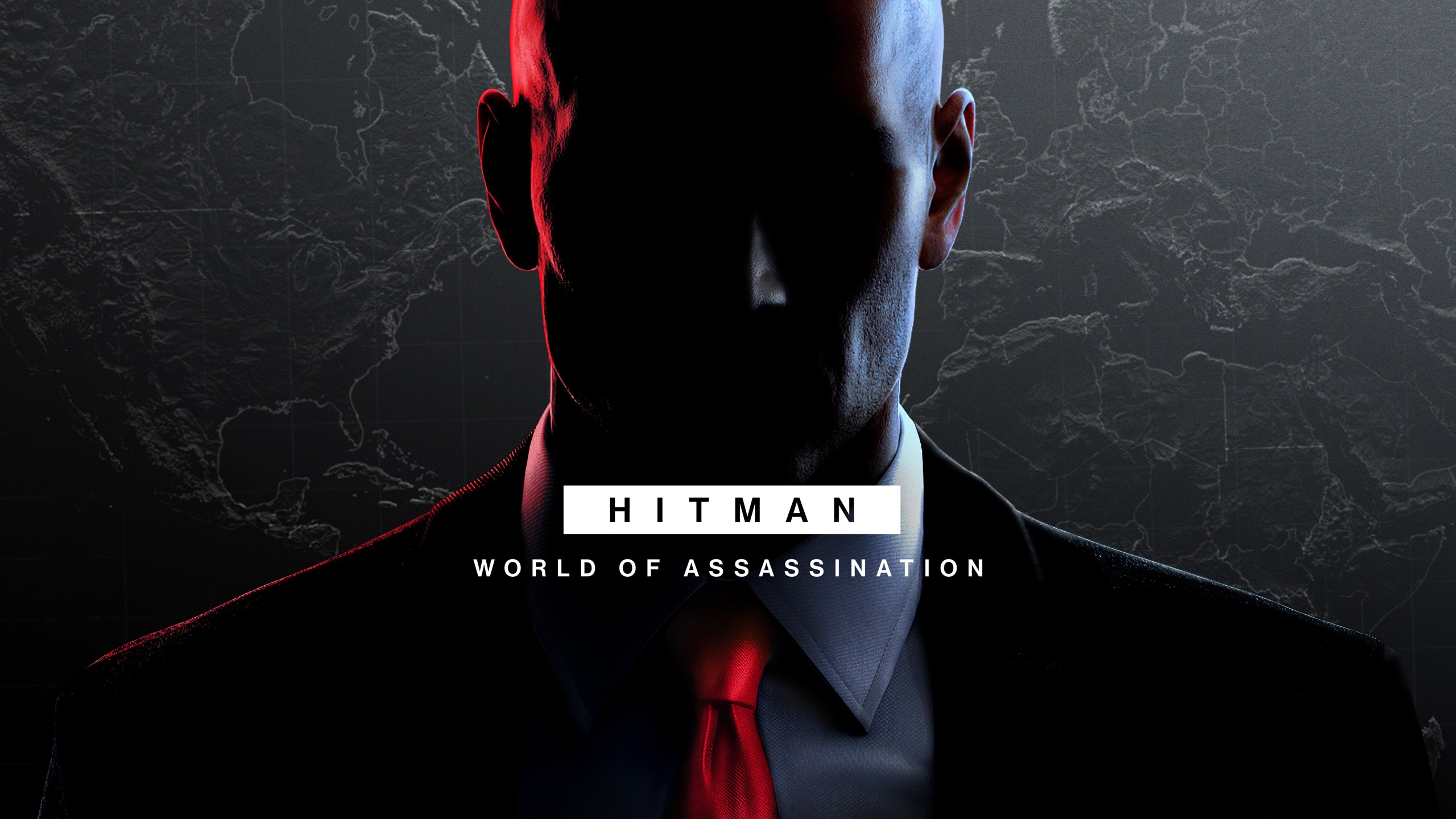
    Imagine this: my most-played game since 2018 is a game in which a memory-wiped hitman travels around the globe to assassinate the world’s worst assholes. He then gets pulled into a crazy conspiracy plot that confronts him with his past, flips the secret organisation he’s working for on its head and forces him to answer to question: Who am I?

    Yeah, I wouldn’t think so either. But while Hitman is, on the surface, all of these things, it’s actually a game in which you can also dress up as a clown and assassinate your targets with a well-thrown fish. It is nothing short of amazing.

    This is how you CAN play.

    So here’s the gameplay premise: You choose a location. This can be anything from an old English manor to a high-tech AI-controlled Japanese hospital. The location has targets. You then plan a load-out (silenced gun, poisoned syringe – there’s hundreds of possibilies) and after, it’s go time. You choose how you will approach and eliminate your target – preferably without collateral damage and without things going wrong (spoiler alert: things always go wrong).

    Do you knock out their bodyguard and dress up like them? Or do you just barge into the room and throw a grenade at them? Of course, you’re very squishy – when you get caught, all guns are pointed at your and you (usually) die. The maps oftentimes feel like clockworks: After a while, you start to remember the patterns, the patrol routes, and you start to understand: If I remove this guard here, then my target will enter this room all alone, and I’ve got plenty of time for my kill…

    But while the feel of starting to understand how the levels work is fun, it’s not the main reason why I’ve logged over a hundred hours in this game. The reason why this game is so good: It’s very liberal in how you can approach these deaths. Like, very liberal. Sure, I can play it straight, but the comedy options are way more fun. Does your target patrol through the kitchen? Well, there might be a lethal banana peel trap there. Target is a pop singer? I can become his drummer. And surprise – I’m not just any drummer, I’m a bald dude with Dave Grohl levels of talent.

    This is how you SHOULD play.

    In short: Hitman is a black comedy masking as a 24-style thriller. There’s no game quite like it – and it’s amazing.