Blog

  • One Piece – huh, they actually did it

    One Piece – huh, they actually did it

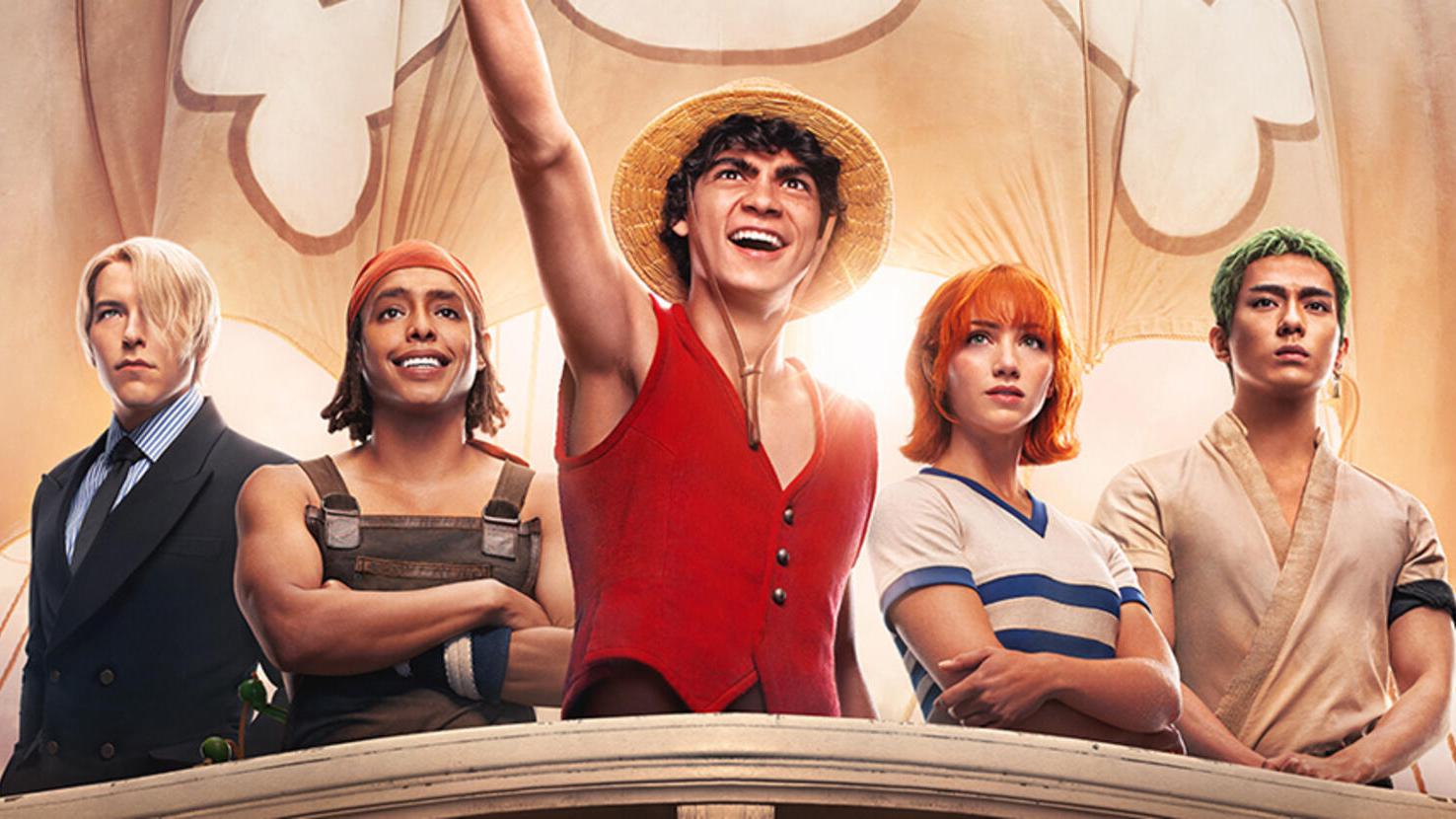
    Here’s a little suggestion: Go watch One Piece on Netflix. It’s really, really good. And I can’t really wrap my head around the fact that they managed to pull it off.

    A little background: One Piece is originally a manga. And not just any manga, it’s one of the longest running manga series ever. I bought the first volume back in 2002, and by that time the series had been running for five years. This year, the piratey adventures of Monkey D. Luffy, Japan’s version of Guybrush Threepwood or Jack Sparrow turned 26! And it’s still good.

    The story: Happy-go-lucky Monkey D. Luffy wants to be King of the Pirates. The only problem is: A magical devil fruit robbed him of his swimming powers. Now Luffy doesn’t care, he’ll just be the kind of pirate that doesn’t fall in the ocean. And more importantly: The devil fruit granted him magical powers – by turning him into rubber. On his 1000 chapter and rising long journey, he goes from rags to riches, gathers a crew consisting of, amongst others, a samurai, a thief, a sniper, a cook, a woman who can summon hands everywhere, an antropomorphic racoon, a cyborg and fucking skeleton Jimi Hendrix. This series gets incredibly weird, and the adventures of the straw hat pirates get insane – but even after all these years, I’m still enthralled. The reason: Eiichiro Oda, the mangaka, is a storytelling genius, who can create stories as complex as Game of Thrones (but weird) and still never lose track of what the emotional core of the series is: Dreaming big.

    I have no idea why it took so long for someone to do a live action version of this story, seeing how it’s so insanely popular. But what I understand even less is that, in world in which Cowboy Bebop (a grounded rock-music-themed anime that is a pastiche of Sci-Fi and Film Noir) gets a show, One Piece is the one to actually be good. Yes, it’s silly, but it gets the emotions just right. It features shockingly little CG (for a show about a rubber man). And it has a stellar cast that’s just plain fun to watch.

    Will they adapt the entire run? Unlikely, seeing how that would take them at least ten years. Will this show stay good? Hard to say, but season two is a true trial featuring the first truly outlandish stuff in the story. But hey: I’m giddy. Because after 20 years of reading One Piece, I can finally write this post and convince everyone to partake in the magical journey I have been on all this time. So what are you waiting for?

  • Alone in the Dark – a retrospective, pt2

    Alone in the Dark – a retrospective, pt2

    Alone in the Dark is one of the most influential video game series of my childhood. And thank God the new game isn’t releasing in October after all, because I totally forgot about my retrospective. Here’s part two!

    Alone in the Dark 2 and 3 – late to the party

    The year was 1998. I was 13 years old, and this was a different world than the one in which I had been so scared of that damn library in the first game. This was the era of the Nintendo 64, I had played Super Mario 64 and had tried Ocarina of Time an hour in a brick and mortar game store. It cost 50 francs and it was well worth it. Games like Alone in the Dark – where the backgrounds were not full 3D but pre-rendered (i.e. “drawn”) – were super old to me, and I hadn’t heard of Final Fantasy VII to prove me wrong yet.

    But there I was, on a Sunday morning, with my dad, in another relic of the past: A hardware store that happened to also sell video games. While my dad was shopping for tools, I used to gawk at the rows and rows of games. And then I would springt across the aisles, find my dad in the screws section, and he would know he didn’t need screws but was screwed, because I would start nagging incessantly for some game.

    It didn’t always work, and only now as a parent myself I understand the delicate intricacies of “I haven’t had my coffee yet” or “God damn I just can’t be bothered today”. So when I saw Alone in the Dark 2, on CD-ROM, sitting on that shelf, my jaw dropped. There was a sequel?! I yanked the blue jewel case out of the shelf and read the back. Pirates! Mob bosses! This sounded awesome. I was just about to run to my dad when my pre-hormonal teenage mind was shook again. Because what I hadn’t noticed: behind the blue jewel case was a red one. Alone in the Dark motherfucking 3.

    I didn’t even so much as look at that jewel case. I just snatched it and ran to my dad, thinking how I would convince him to buy me not one, but two games. I don’t remember how I did it. I don’t think I did – I think it was the aforementioned coffee or the god damn. Who knows – but I got those games. They’re both pretty mediocre.

    And I played the shit out of them.

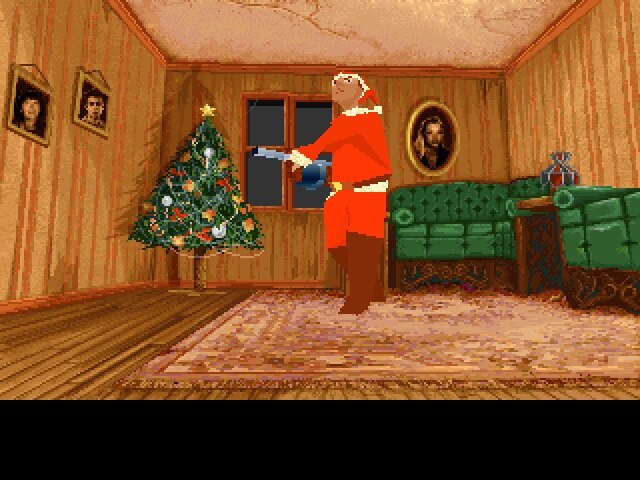
    Alone in the Dark 2 is a game in which you, guns blazing, have to rescue a kid from mobsters and pirates on Christmas day. It is the Die Hard of the series. The horror elements? Gone – rightfully, I think, because even two years after the release of the first game, it didn’t look scary at all anymore. The only problem is: Crazy pre-rendered backgrounds and weird perspectives are not really that great for aiming. It’s a frustrating affair.

    Alone in the Dark 3 is a western featuring zombies and even a cyborg. I sometimes like to pretend they based Wild Wild West with Will Smith on this thing. It is, in my opinion, the better game of the two, because it ditches most of the action and puts more emphasis on the puzzles. Only problem: Most of the puzzles stink. They’re super obtuse, especially when you’re thirteen and without internet.

    Still, these games hold a special place in my heart and I played them religiously. They’re the first games that made me look at walkthroughs on the internet. I still have the CD-ROMs, I bought the games on GOG and on Steam – and I even ordered a rare floppy version of the second game with a 1993 strategy guide that details how Infogrames’ “cinematic technology” is the way all games are going to be in the future. The floppy version is horrible, with poorly sampled MIDI music and parts of the game missing, I payed quite a bit of money for it, but I regret nothing.

    That’s nostalgia for ya.

  • Alone in the Dark – a retrospective, pt1

    Alone in the Dark – a retrospective, pt1

    Alone in the Dark might be one of the most influential video game series of my life – and is definitely the most important series of my childhood. To celebrate the undoubtedly terrible reboot launching in October, I’ll use the following months to rehash why this weird line of games is so important to me.

    Alone in the Dark – little me, in library, pipi in my pants

    Belgium, the nineties. I was eleven and got my first PC. It was my treasure, had Windows 95, a diskette and a CD-rom drive and – my god! – even a sound card. The days of listening to my mom’s crappy pc speaker like a pleb were in the past! To top it all off, I had a friend who had games. Tons of games. Most of these were copies which, we both knew, were incredibly illegal. We could go to jail. The crime? The coolest of all: Gaming.

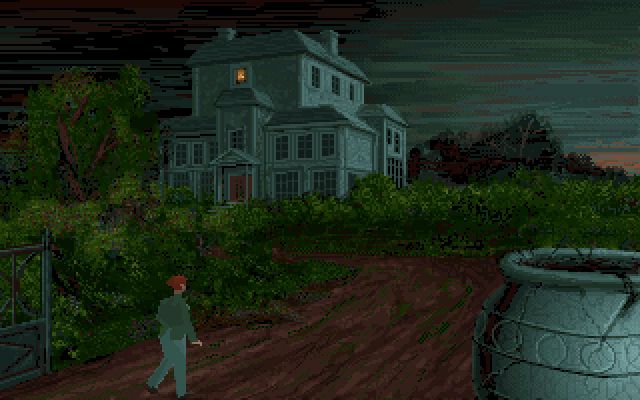
    And that’s how I got into Alone in the Dark: On four 3,5″ diskettes. Installing it took a while, and the installer crashed on the final disk, but when we typed aitd.exe on the dos prompt (this game would not run under Windows), the game miraculously booted. It looked like this:

    Now, to today’s trained eye, this game in which you traverse a game from the attic all the way to the exit while encountering scary monsters might not exactly be scary. But man, in 1996, this was the worst thing I had ever seen. And I had watched Terminator 2: Judgment Day. This game was 3D, it had actual polygons, and it played like an interactive movie. Over the course of the next weeks, I would play for ten minutes, then put it down, partially because it was too scary, but honestly because it was too hard.

    This game had puzzles, man. One of the first items you found was a rug. This item would be used to cover up an axe-throwing painting hours of playtime later. Hints would be scattered in books, but I wanted to play games, not read, man! I couldn’t make any progress in this game – and then my friend gifted me a printed walkthrough. This thing was my bible and without it, I would still be trying to figure out where that damn rug goes.

    So now I could finally progress, and I discovered something else about myself: I’m a fucking scaredy-cat. I shat bricks playing this game. Derceto, the game’s mansion, had a library, as all mansions do. Only this one was dark, and you first had to fill your lamp with oil, then light it and finally pull it out to see something in there. And when you did, a purple blob monster immediately came towards you. So you did the most logical thing you could: hide behind a bookcase. Only to discover it could go through it.

    But in the end, I got through the library. Probably with my buddy next to me screaming at the top of my lungs. The treck through the mansion continued and led me to the catacombs underneath. I escaped a giant worm, ran through a maze, jumped around a corner (because yeah you could effing jump in this caves, this game was from the future man!), ran down another corridor and then the game crashed.

    Remember what I said about the installer? Turns out, a file on the fourth diskette was corrupted. CAMERA05.PAK. I remember the name to this day. Because the truth was simple as day:

    There was no way for me to finish this game. Every time I ran down that corridor, the game just froze. I must’ve tried a thousand times, thinking this time would be the one, but unfortunately: no dice. It took years until the internet would develop so far that save games were available and I was finally able to finish the game. It had a demonic tree. And a skeleton for a taxi driver. It was rad, but by the year 1999, I had played Ocarina of Time, man. We had the Sega Dreamcast.

    But to this day, Alone in the Dark is special to me. It was quite the mindfuck finding out the brain behind this, Frédéric Raynal, is also responsible for the other series of my childhood, Little Big Adventure. And I’ve played every Alone in the Dark game since. There’s five in total, and boy, are they a mixed bag.

    Case in point: Alone in the Dark 2, aka the one that tries to be Die Hard. See you next time!

  • Resident Evil

    Resident Evil

    When I was eleven years old, I was obsessed with Alone in the Dark. It came on five 1,5 megabyte diskettes and featured a 1920s protagonist trying to escape a haunted mansion. The game scared the living bejeezus out of me, and disk five was broken, so in the tunnels beneath the mansion, it would freeze and lock up my mother’s pc, which honestly was the true scary part of the whole ordeal because man, she had accounting software on there.

    This game was pretty much the last time I actively enjoyed playing a horror game – I steered clear of the genre because I’m a scared little boy. That is, until the Resident Evil 2 remake came out. This game – a, you guessed it, remake of a playstation era survival horror game – drops you inside a police station with limited ammo and less limited zombies swarming around you. It is creepy, atmospheric and one little change they did in the remake (having a giant unkillable creep in a trenchcoat patrol the narrow hallways) scared me shitless.

    It was then I noticed something: Yes I am a scared little boy. But shitting bricks is kind of fun.

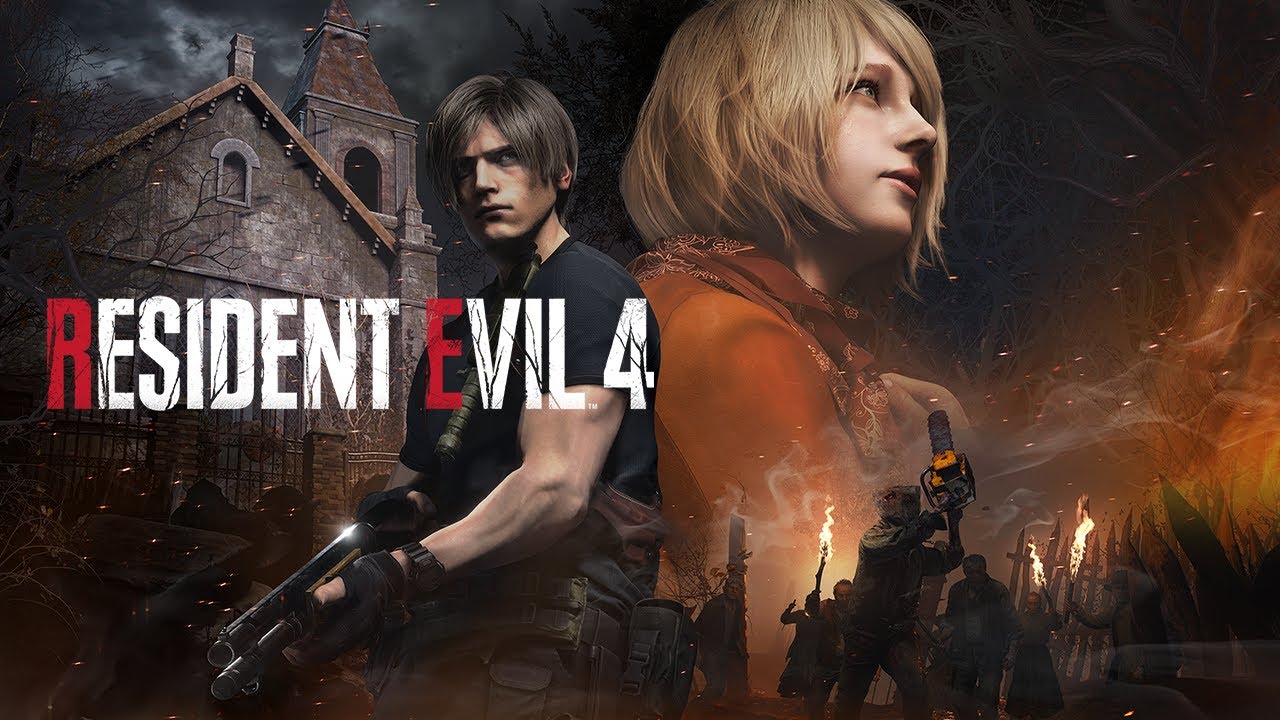
    So this year, I’ve been catching up on the Resident Evil series, a gaming mainstay that’s been off my radar since it came out. It’s such a nice feeling discovering a slice of gaming that’s been around forever, and being wrong about it not being for me. I’ve finished a second playthrough of the Remake, moved on to three and four (which are also expertly remade, especially the fourth entry, an over the top campy action flick which goes all-in on the survival aspect of the genre), and then tackled the eight entry, Village, which is best described as “a potpourri of dumb Eastern Europe cliches but the vampire is a sexy giantess instead of Count Dracula”. It’s not really scary – except for the part where the protagonist looking for hissing missing wife and newborn stumbles into a house and this thing happens:

    What the fuck is that? Who the fuck came up with this? Thanks for the nightmares, sicko. (Also please make another game right now)

  • Fleishman is in trouble

    Fleishman is in trouble

    Not gonna lie: Netflix is kind of dead in my household. We’ve got half a season of the crown left that we haven’t watched because apparently, in the nineties, the entire royal family really sucks – but other than that, there is nothing on there I even kind of want to see. So I’ve been seeing other streaming services on the side. At least they still try to be interesting, man.

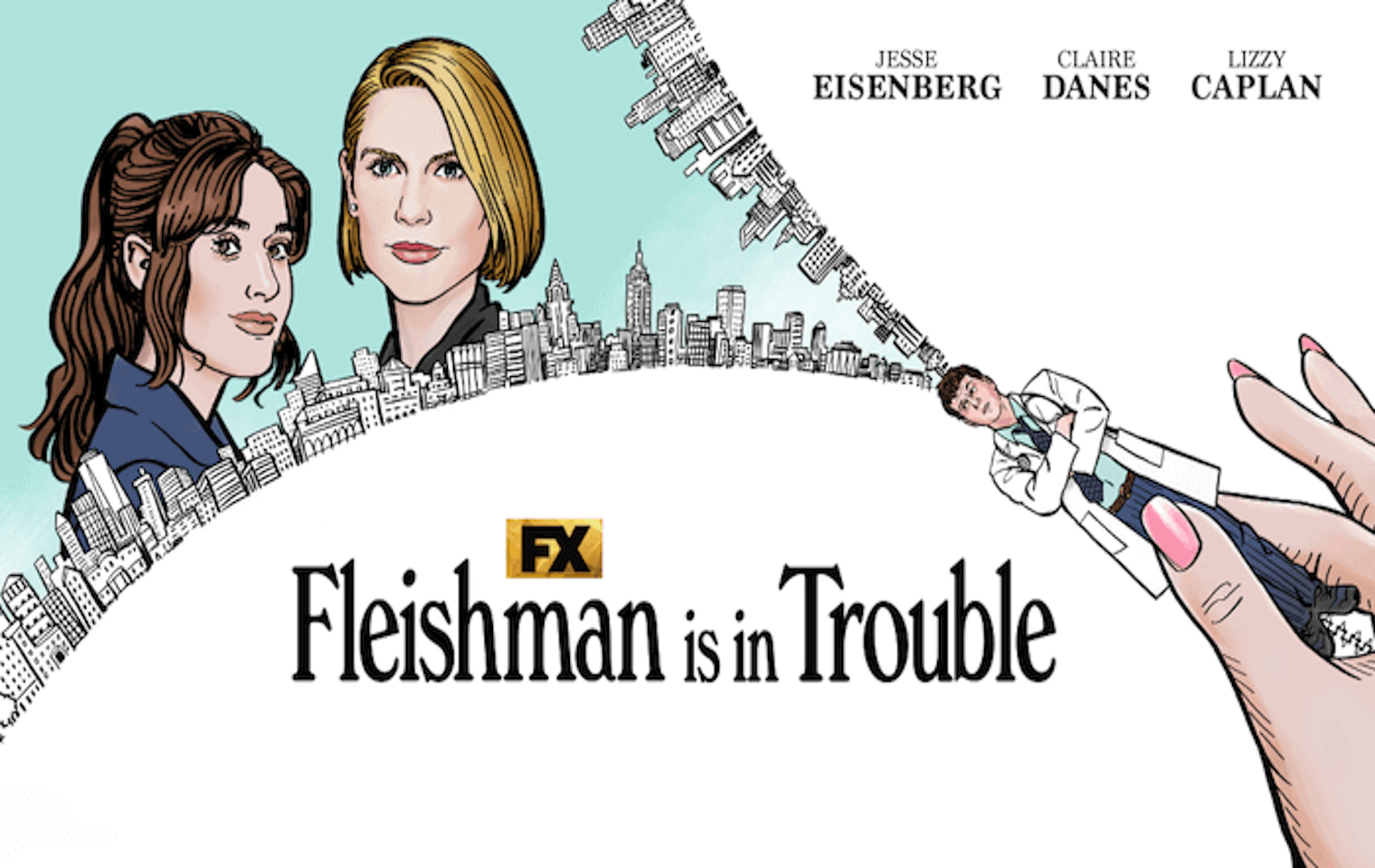
    And interesting is definitely a word I’d use to describe Fleishman is in trouble on Disney+. Not exactly good, but interesting. In this adaptation of the book with the same name, Toby Fleishman (Jesse Eisenberg), a New York doctor, wakes up to find his kids in their beds. The only problem: he’s freshly divorced, his wife wasn’t supposed to bring them until tomorrow, and now she’s not answering the phone. What enfolds is a story about a lot of things: Divorce, sex in your fourties, mental health, success… The story never finds its focus with one thing, it’s not even focused on one character, Fleishman is the title of the show but the corny voice over belongs to his best friend, who inexplicably carries a) the one thing tying this story together and b) the entire fucking final episode. It’s honestly kind of a mess.

    But as far as slices of life (which is what messy shows always end up saying they are) go, Toby’s is quite interesting, and I think he is an interesting male lead in a world filled with uninteresting ones. He’s a successful doctor, but his more successful wife (Claire fucking Danes who does a better ugly cry than in Homeland!) vastly overshadows him. He loves his children and cut back on his job to be with them. He cries a lot. And he loses in life because of all of this.

    It’s weird to find this refreshing, because characters like this shouldn’t be as rare as they are, but hey, that’s the way it is. I hope a lot of people watch Toby Fleishman cry on the hospital toilet as he loses his patient to Morbus Wilson and are inspired by him constantly losing in life, not because he’s kind of a neurotic asshole, but because he’s a very emotional human being. I know I am.

  • A letter to my ent doctor

    A letter to my ent doctor

    Dear ent doctor,

    Wednesday the 14th of December, 2016, I found myself in a radiologist’s practice for a scheduled MRI. I personally had no idea why other than the fact that I had been suffering from significant hearing los on my left side. I had spent the entire year struggling as a floor writer for a TV medical, finally had had my first professional victory in doing a rewrite that was not shitty and this appointment was, honestly, an afterthought. On WhatsApp, I kept cracking jokes to my colleagues about it being a great chance to research one of the many medical devices we didn’t have at our studio because it was too expensive, proofread some scenes that were due tomorrow and then I was called in. The nurse gave me headphones, shoved me into that tunnel and for 20 minutes, I ignored the metallic banging by listening to Mariah Carrey’s “All I want for Christmas”. Afterwards, I wished the nurse a merry Christmas and figured I was going to meet some colleagues in town to celebrate a birthday party. But as I was putting on my coat, the radiologist came to me in the dressing room. The words that came out of his mouth were so stupid and absurd I will take them to my grave:

    “Well, the good news is it’s not cancer, but you might wanna visit a neurosurgeon sooner rather than later.”

    I asked him what it was I had. He said he was not at liberty to say, but he would inform my doctor and they would give me call with further info. “Before Christmas?” I asked, he didn’t answer, gave me the pictures on a CD and left. I went home and started researching. The ent doctor’s (yours, dear doctor!) referral had said “suspected diagnosis ANVS”, so I googled that, and it spat out acoustic neuroma / vestibular schwannoma. My heart sank as I read Wikipedia:

    “A vestibular schwannoma (VS), also called acoustic neuroma, is a benign tumor that develops on the vestibulocochlear nerve that passes from the inner ear to the brain. “

    I cracked open the first of many beers and thought – “Fuck me, I have a brain tumor”. Six weeks of night terrors later, on the 1st of February, 2017, I would sit in front of a renowned neurosurgeon, my quite pregnant wife sitting next to me, discussing the planned operation and he would correct me: “Technically it’s not a brain tumor, but a nerve tumor. It’s brain-adjacent.” I swore internally – of all the diagnoses in the world, brain tumor was definitely the cooler sounding one. And if you’ve been to high school, you know one thing: You can’t be cool-adjacent. You either are or you’re not.

    So the tumor was benign, but it had to be operated. The operation would probably damage the hearing, facial and balance nerve in my inner ear. I looked at my wife’s pregnant belly. Four weeks later, on Monday the 27th of February, the neurosurgeon opened op the side of my skull and over the course of three hours in which he probably bored his assistants with stories about his weekend skiing in Switzerland, removed a 1.2 by 6mm mass on the left side of my hearing canal. I woke up with a thousand cables stuck to my arms, one going up my urethra, and three IV accesses: one of my left hand, one on my right, and a particularly annoying one between the toes of my right foot that everyone in the hospital would forget about for my two-week hospital stay.

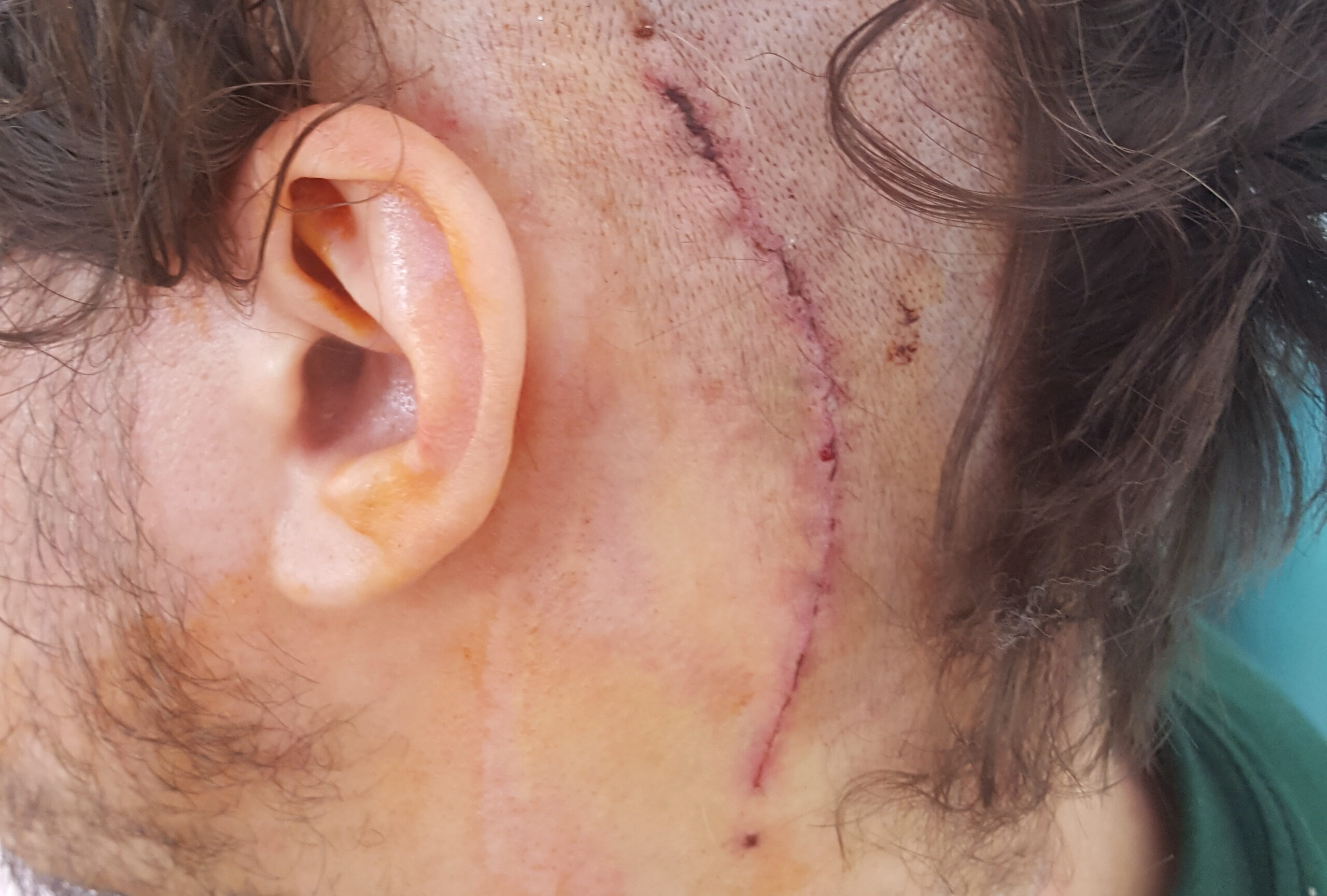
    I woke up from the operation at around seven, head partially shaved, bandaged at a twelve centimeter long scar behind my ear, and found my wife sitting next to me. I remember being ecstatic: sure, up was down and down was up, balance-wise, but as long as I closed my eyes it was okay. There was still some hearing left in my left ear. And lastly and back then most importantly, my face seemed completely normal. Of all the possible side effects of the operation, Bell’s Pallsy had been on the top of the list. My wife spoon-fed me a yogurt and took a picture of me as she wished me goodnight. It was the last picture of me with a symmetrical face and to this day, I can’t look at it.

    The night was grueling. By midnight, I had used up my IV medicine so I could only take sips of whatever that clear foul-tasting flued the nurses gave me was, probably vodka. I tried to get some sleep, but every 30 or so minutes I would wake up in pain. Every time I came to my senses, I could feel the left side of my face slowly sliding further down. By morning, it was gone. My lip hung down, drool dropped from the left side of my mouth. My left eye wouldn’t even close anymore.

    I’ll stop writing here, but I could go on. About suddenly having to live with being hard of hearing. About fighting with you to get a logopedist to work on my face. About trying to ride a bike again. About fighting to go back to work. About my wife being scared for the birth of our first child, not for herself, but for the stress it would cause me. And about, five years post-operation, being in a completely unrelated therapy session and coming to terms with the fact that what happened was a trauma I had completely blocked from my thoughts. So, dear ent doctor, I hope you understand what it means when I come to you to get my doctor’s referral for my next MRI appointment, and I tell you I’m scared. I hope next time you take a minute to talk empathetically to me, instead of getting angry, berating and belittling me to the point of making me cry.

    I wasn’t like this when I came to you in October 2016 and you saved my life by suspecting I had this one-in-a-million brain-adjacent speck in my head. But I am now, and I’m trying the best I can. So please, for the love of God, I wish you’d try to stop being a dick.

    Looking forward to your call with what I hope are positive MRI results,
    Bert

  • Psychodyssey

    Psychodyssey

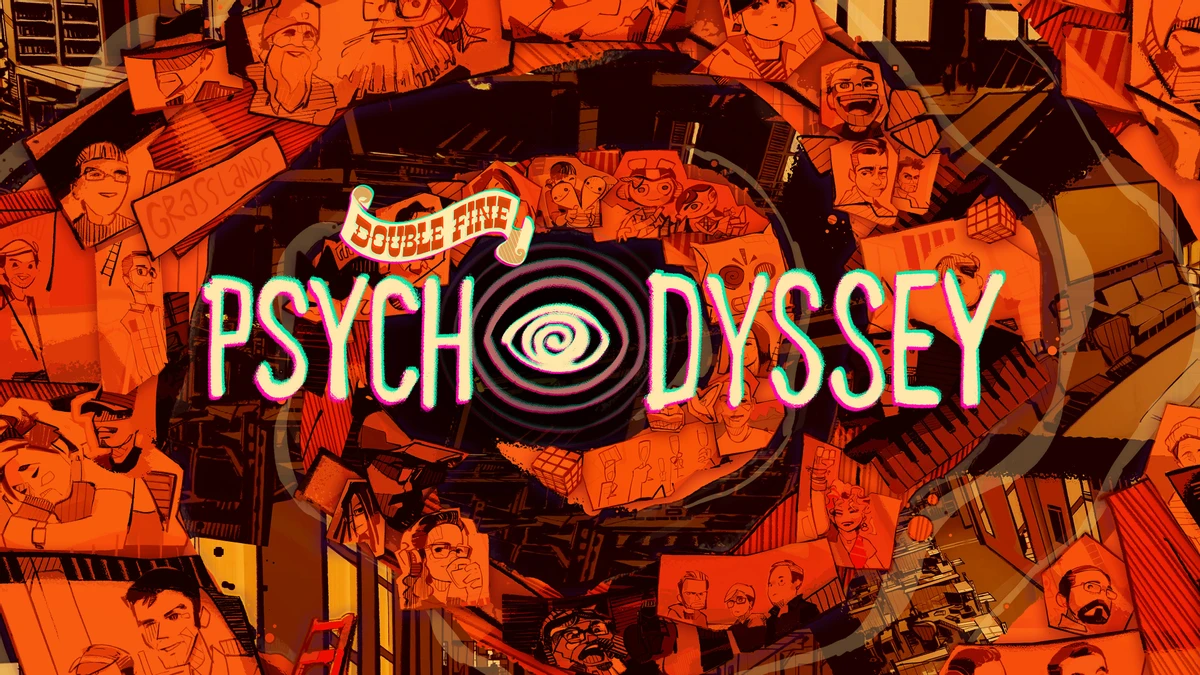
    When Psychonauts 2 released in the Summer of 2021, it completely blew me away. A cartoony game about a kid-slash-psychic-agent going into people’s minds to sort out their bagge was every bit as good as its predecessor which came out 15 years prior. In fact, narratively speaking, it was better: underneath its wacky surface hid a very adult, nuanced story about how everyone has the potential to be a hero and a villain and the same time, depending on who is telling the story.

    I think I played the game to completion three times since that Summer, and I’m looking forward to starting my fourth playthrough sometime this year. So color me surprised when – out of nowhere! – Psychonauts developer Double Fine released a TWENTY-TWO HOUR documentary detailing the six years of development this gem has gone through. Yes, you read that right, it’s twenty two hours long. And I watched it all.

    I’m going to be completely honest: This is riveting TV. Double Fine, if you are unaware, is the studio lead by Tim Schaefer, one of gaming’s rockstars. The studio is independent and quirky, and the thing they are trying to create is so ambitious it almost tears them apart. In fact, if not for some crazy bad luck turning into lucky breaks, neither Psychonauts 2 nor Double Fine would exist this very day. The interviews are open and honest – finally, a documentary shows artists at work instead of suggesting everyone working in a creative profession is just loafing around.

    Psychodyssey ist not just an amazing look behind the scenes of a triple-A video game, it’s also a deep dive into creative processes involved into making any piece of media. As someone who co-lead a team of writers, I have often said the things these leads say. People working on this game break the way I’ve seen writers break. But they also have the feeling they’re building something truly incredible the way we do.

    Over the course of these 22 hours I watched way too fast, I wrote down a lot of quotes by Tim Schaefer, because I truly admire the way he leads his team and I wished I were one tenth the leader he is. But even with Tim, you notice he’s fighting a losing battle. Even he can’t keep everyone happy and get great output at the same time. The discussion on crunch culture (i.e. mandatory night shits to get the damn game out the door) in the final third of the documentary is vicious, but in the end, it is completely true: There is no way to completely protect people from theirselves.

    Anyway, check it out. And check out Psychonauts 2. It’s an amazing game made by amazing people.

  • Hogwarts Legacy: It’s complicated

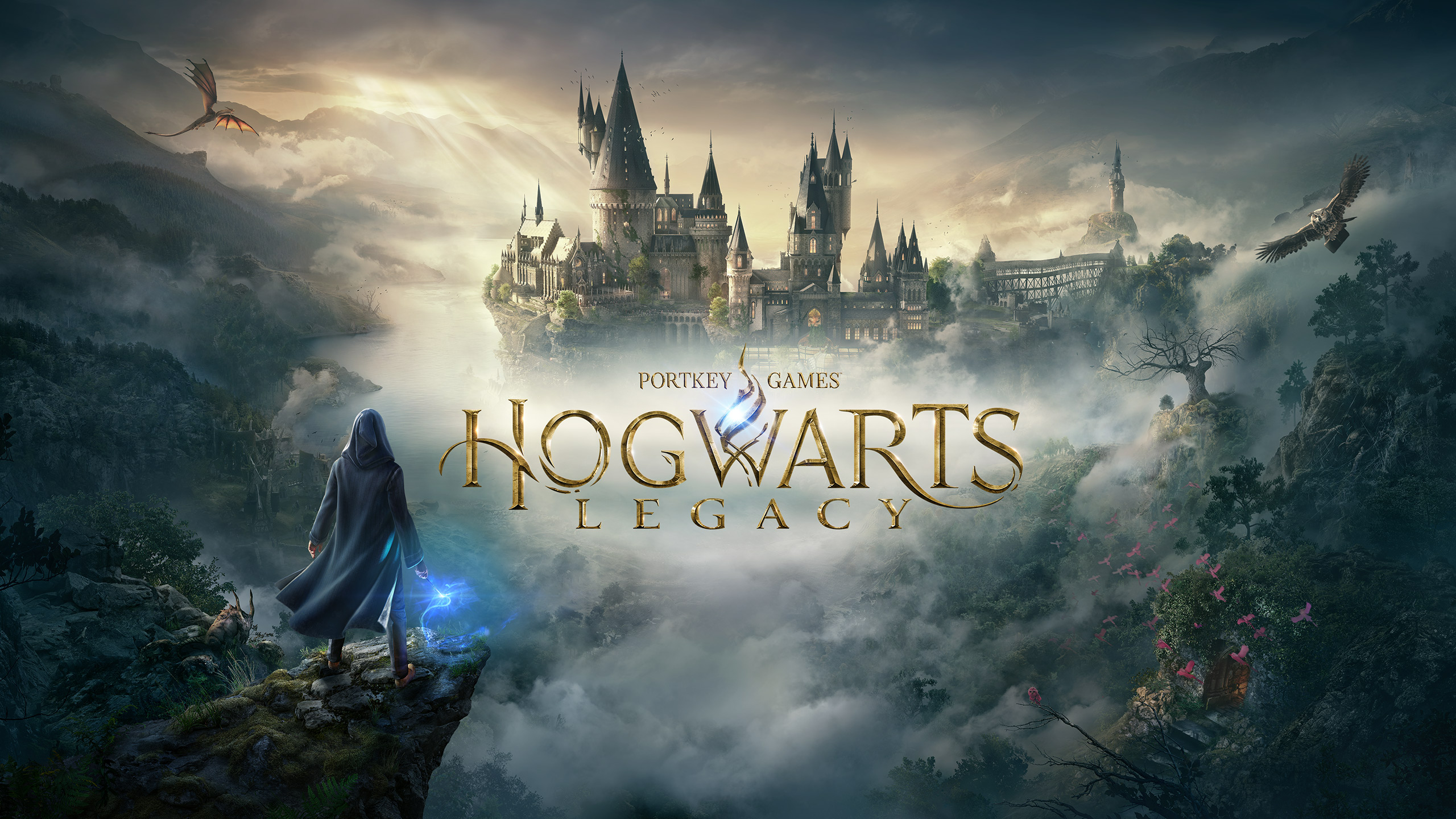
    Hogwarts Legacy: It’s complicated

    So let’s get this out of the way: JK Rowling is a complicated person, whose genuinely good deeds are vastly overshadowed by the TERF hill she is dying on. It’s an immensely disappointing matter because Harry Potter is a big part of my life and it ruined any future rereads. But fortunately, Rowling did not need bigotry to run her own wizarding world into the ground – the absolutely abysmal second and third part of her “fantastic beasts” movies managed this on their own. So yay, I guess, for her making it easier for me?

    Then came Hogwarts Legacy.

    For those not terminally online, here’s a short recap: The internet hates notorious TERF yet somehow simultaneously a philanthropist writer JK Rowling and thus hates everything related to Harry Potter. This leads to a boycot, because “you vote with your wallet” and it’s morally wrong to financially support vile people. Then, suddenly, gaming company Avalanche acquires the rights to a wizarding world game. The internet explodes: Should the world collectively boycot this game because it sprung from a morally problematic mind?

    Now as someone who makes TV for a living, I always found this last sentence a bit hard to swallow – unlike the Harry Potter books, a game like Hogwards Legacy employed hundreds of people for multiple years. These people poured their hearts and souls into something and honestly, they cannot help it if the discourse around Rowling massively changed throughout development. They do a good job, because they love doing what they do: Create things. So I understand shunning Rowling and her work (I quit reading her books), but if I were an Avalanche employee, this discourse would emotionally destroy me.

    Now all this bullshit aside, this discussion would be super easy if Hogwarts Legacy were, like anything Rowling has created the last ten years, shit. Unfortunately, Hogwarts Legacy is good. It’s really, really good. It’s a labour of love featuring a whimsical, fun wizarding world, a castle brimming with creativity, side quests that are surprising, characters that are engaging… It might be the best open world game I’ve played since Breath of the Wild. And – sidenote! – it is hella inclusive. It does curly hairstyles like no other game (ask any person of colour about creating matching avatars in video games!). Unlike Harry Potter, it features a diverse cast, makes goblins relatable, and makes Slytherin into something other than wizard nazis. And finally, it asks two questions: “what is your body type” and “are you a witch or a wizard” – which is basically a way of showing Rowling and her TERF beliefs the middle finger.

    So I’m actually kind of sad “the internet” is ignoring this game. I get the impression that Rowlings behaviour caused Avalanche to, as a studio, sit down and talk about what Harry Potter meant to them growing up. That it felt like an inclusive world, in which different people were accepted the way they were. A feeling soured by Rowling – and the reason the internet is so black-and-white about this topic. Readers who felt different found consolation in Harry Potter – and Rowling destroyed that twofold: not just as a person, but as a writer of terrible fiction, as well.

    Avalanche still knows what makes the wizarding world great, though, even if Rowling has forgotten. And thanks to Rowling’s terrible opinions, they elevated the universe into what everyone thought it was (inclusive), but it actually wasn’t.

    I know it’s morally wrong to support a terrible person. But I also know hundreds of motivated artists poured their hearts and souls into this game and the “vote with your wallet” argument goes for them too: They will lose bonuses, future projects and – if I may be overdramatic – in some cases, their jobs.

    And I also know you’re missing out on a great piece of media set in a world you grew up in. A world Rowling grew out of – but that lives on in the creative visions of other people.

  • Hitman

    Hitman

    Imagine this: my most-played game since 2018 is a game in which a memory-wiped hitman travels around the globe to assassinate the world’s worst assholes. He then gets pulled into a crazy conspiracy plot that confronts him with his past, flips the secret organisation he’s working for on its head and forces him to answer to question: Who am I?

    Yeah, I wouldn’t think so either. But while Hitman is, on the surface, all of these things, it’s actually a game in which you can also dress up as a clown and assassinate your targets with a well-thrown fish. It is nothing short of amazing.

    This is how you CAN play.

    So here’s the gameplay premise: You choose a location. This can be anything from an old English manor to a high-tech AI-controlled Japanese hospital. The location has targets. You then plan a load-out (silenced gun, poisoned syringe – there’s hundreds of possibilies) and after, it’s go time. You choose how you will approach and eliminate your target – preferably without collateral damage and without things going wrong (spoiler alert: things always go wrong).

    Do you knock out their bodyguard and dress up like them? Or do you just barge into the room and throw a grenade at them? Of course, you’re very squishy – when you get caught, all guns are pointed at your and you (usually) die. The maps oftentimes feel like clockworks: After a while, you start to remember the patterns, the patrol routes, and you start to understand: If I remove this guard here, then my target will enter this room all alone, and I’ve got plenty of time for my kill…

    But while the feel of starting to understand how the levels work is fun, it’s not the main reason why I’ve logged over a hundred hours in this game. The reason why this game is so good: It’s very liberal in how you can approach these deaths. Like, very liberal. Sure, I can play it straight, but the comedy options are way more fun. Does your target patrol through the kitchen? Well, there might be a lethal banana peel trap there. Target is a pop singer? I can become his drummer. And surprise – I’m not just any drummer, I’m a bald dude with Dave Grohl levels of talent.

    This is how you SHOULD play.

    In short: Hitman is a black comedy masking as a 24-style thriller. There’s no game quite like it – and it’s amazing.

  • Wednesday

    Wednesday

    Here’s two random things I feel conflicted about that suddenly collided at the tail end of 2022: Netflix and Tim Burton.

    Concerning Netflix: If they are the future of streaming, I don’t want anything to do with it. For every interesting good thing they put out, there’s at least five weird, trashy ones. I honestly hate the idea of dropping a season in its entirety – mostly because I love TV show watercooler talk and it’s pretty much my only way to engage in small talk without feeling awkward – and because I think it’s a financially terrible model. TV shows are hella expensive, that’s why they stretch them to infinity, yo!

    Concerning Tim Burton: please see this 2012 review for Dark Shadows or this 2010 review for Alice in Wonderlands. Tim Burton is, to me, a visionary who can create wonderful things – but who needs artificial restraints. Ever since CGI has become a standard thing in movies, Burton has lost most of its appeal because everything is possible. And when everything is possible, Burtons movies lose every sense of cohesion. They are all over the place.

    So when two separate people recommended Wednesday, Netflix’ Addams Family reboots featuring a 16 year-old Wednesday Addams in a supernatural high school, I was very weary.

    Trailer!

    But as it turns out, Wednesday is quite nice and definitely the best Burton thing I’ve seen the last decade! The dialogue is terrible, but that’s the point; the show’s supernatural aspect feels very cheap, but sort of by design; and the plot is entertaining young adult pulp in the best possible way – until Burton obviously loses every bit of restraint in the final episode and just tanks the whole damn thing.

    You know, it seems about half of new Netflix shows are revivals of old ones. Most of these shows are just not good – because they just want an excuse to re-feature old characters and actors and settings and whatnot. They fail because they don’t have an original idea. Wednesday is, at its core, one of these revival shows. It features well-known characters, cracks inside jokes for the fans, waits until the final bout of episodes to reveal the last known character, and it even has the fans’ OG Wednesday, Christina Ricci. But it’s also completely new: The setting, genre, side characters – we haven’t seen the Addams Family like this.

    I hope Netflix learns something from this.